


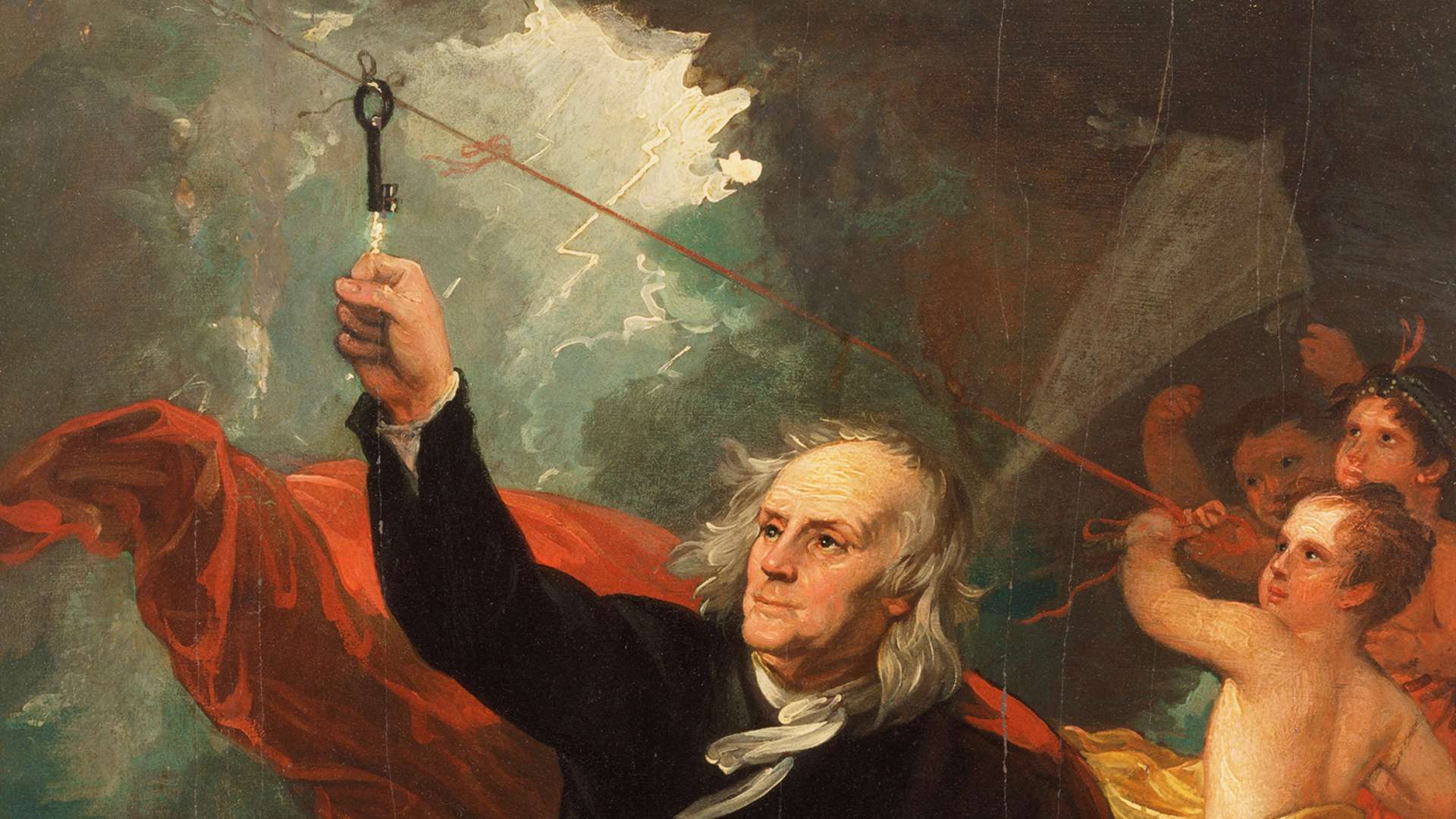
Benjamin Franklin may not have been an electrician, but his legendary kite experiment in a thunderstorm gave humanity a shocking insight into electricity. Fast forward a few centuries, and today’s electricians are the unsung heroes keeping our world powered, safe, and connected.
More Than Just Wire Work
Being an electrician isn’t just about knowing which wire goes where. It’s a profession rooted in physics and math. Electricians regularly calculate electrical loads, current capacity, and circuit layouts — often on the fly — to make sure everything runs safely and efficiently. They’re problem-solvers with pliers, using their heads as much as their hands.
What That Wire Colour Really Means
Ever noticed the different coloured insulation on wires? That’s not just for looks. Each colour tells a story: brown, black or red for hot wires, blue or white for neutral, green/yellow stripe, green or bare copper for ground/neutral (the colour schemes are country specific – check our Blog “When It Comes to Electricity, You Must Discriminate… with Colours” for a detailed discussion). Understanding these codes is crucial — it can mean the difference between a job well done and a serious safety hazard.
Tools of the Trade
Electricians have an arsenal of tools, but one of the most curious is the fish tape. Despite the name, it’s not for catching dinner — it’s a clever device that helps pull wires through walls, ceilings, and tight conduit runs. It’s like threading a needle in a maze.
Where the Big Money Is
While many electricians work on homes or commercial buildings, some take their skills to high-paying niches. Think oil rigs, aerospace operations, or even movie sets where they rig complex lighting systems. These environments demand top-level expertise — and they pay accordingly.
Whether lighting up a home or powering a blockbuster film set, electricians are essential. Behind every flip of a switch is a highly skilled professional who understands the invisible currents that make our modern lives possible.