

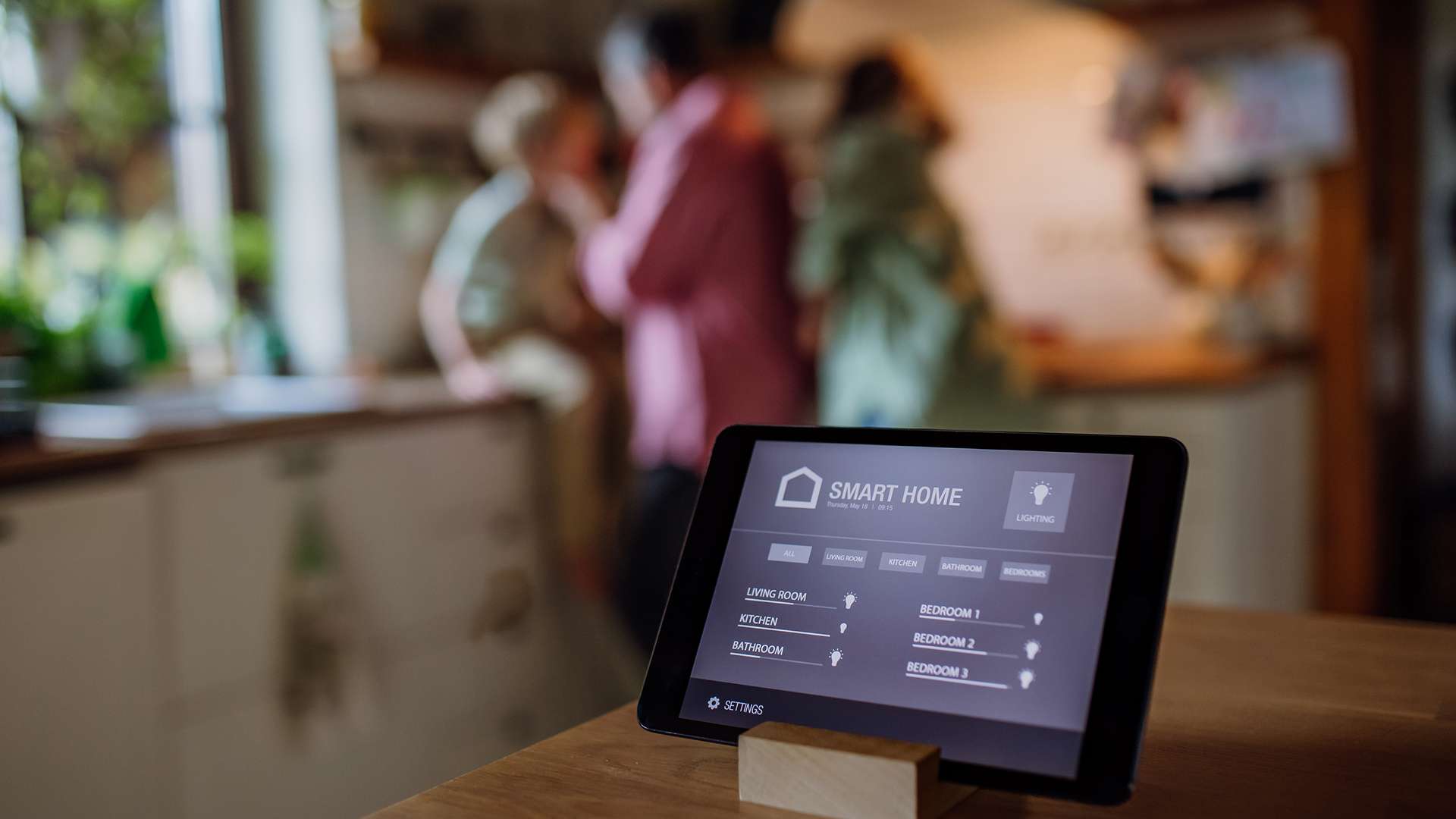
The future of smart homes is about much more than voice assistants and connected appliances. We’re entering an era where critical home systems—electrical, gas, plumbing, EVs, and renewable energy sources—work together in a seamless, intelligent ecosystem. The result? Homes that are safer, greener, more efficient, and increasingly self-reliant.
Let’s explore how these technologies are converging to redefine the 21st-century home.
🔌 Smart Electrical Systems: Intelligent, Grid-Aware Energy Use
Smart electrical infrastructure is evolving beyond basic automation. In the coming years, expect to see:
- Dynamic grid integration, allowing homes to optimize usage based on real-time energy prices or grid demand.
- AI-powered energy orchestration that balances usage across lighting, appliances, HVAC, and home batteries.
- Real-time fault detection and automated isolation to prevent electrical fires or outages.
- Support for energy independence, enabling homes to function autonomously in emergencies or high-demand situations.
The big shift: Your home’s electrical system will not just consume electricity—it will manage, produce, and store it.
☀️ Renewable Energy: Powering the Smart Home of Tomorrow

The centerpiece of energy-smart homes is renewable power, especially solar energy, supported by wind, geothermal, and more localized solutions. Key innovations include:
- Home solar panels with smart inverters that adjust output based on usage, weather, and grid demand.
- Battery storage systems (like Tesla Powerwall or Enphase) that store excess power for use at night or during outages.
- Solar monitoring apps that provide insight into generation, consumption, and savings in real time.
- Integration with heat pumps and electric water heaters, allowing renewables to power core home functions.
- Community microgrids where neighborhoods share renewable resources and balance energy loads together.
The vision: Homes that generate more power than they use—and share the surplus.
🔥 Smart Gas Systems: Transitioning Toward Cleaner Living
While many homes still rely on gas for heating and cooking, smart technologies are transforming this sector:
- IoT-enabled leak detection and auto shutoff valves that prevent accidents and reduce risk.
- Hybrid heating systems that combine gas and electric heat pumps to reduce consumption and emissions.
- Increased support for renewable natural gas (RNG) or hydrogen blends as transitional fuels.
The trajectory: Smart gas is not just about convenience—it’s about preparing homes for a low-carbon future.
🚰 Smart Plumbing: Water Efficiency Through Data and Automation

Smart plumbing is moving toward conservation, safety, and proactive maintenance. Innovations include:
- Smart flow meters that detect leaks instantly—even pinhole leaks behind walls—and send mobile alerts.
- Water shutoff systems that prevent flooding automatically during a detected anomaly.
- Smart irrigation systems that use weather data and soil moisture sensors to water only when needed.
- Greywater recycling and rainwater harvesting systems integrated into smart plumbing for sustainable water use.
The result: Water systems that think, learn, and protect both your home and the environment.
🚗 Electric Vehicle (EV) Integration: Your Car, Your Power Source

EVs are no longer isolated gadgets—they’re becoming integral to home energy ecosystems. Key features on the horizon include:
- Vehicle-to-Home (V2H) and Vehicle-to-Grid (V2G) charging, enabling EVs to supply power during outages or grid shortages.
- Smart scheduling to charge during off-peak hours or when solar production is high.
- Unified dashboards showing total energy use and carbon savings across home and vehicle.
- Solar-charged EVs, allowing homeowners to drive on sunshine—literally.
The synergy: Your EV doesn’t just drive you—it can drive your home’s energy efficiency too.
🔄 One Ecosystem: Total Home Intelligence
The future of smart homes lies in unification. Instead of isolated smart gadgets, we’re moving toward intelligent infrastructure where systems communicate, collaborate, and optimize holistically. Imagine:
- Your solar system powering your home and EV while storing excess in a battery.
- Your plumbing system adjusting water usage based on weather data and utility pricing.
- Your electrical panel rerouting power from your EV battery to your kitchen during a storm.
- Your home monitoring its own emissions, water use, and energy balance—all visible in a single app.
🌍 Sustainable, Resilient, Autonomous
The ultimate goal of the smart home is not just convenience—it’s resilience and sustainability. As energy costs rise, climate impacts worsen, and infrastructure becomes more stressed, homes that can produce their own power, conserve water, adapt to grid conditions, and respond to emergencies will be at the forefront of modern living.
Are you ready for the home of the future?
Whether you’re retrofitting an existing property or building from scratch, now is the time to invest in connected systems, renewable energy, and smart infrastructure. The more integrated your home is, the more efficient, sustainable, and future-proof it becomes.
Want help designing or planning a smart home system with renewables and EV support? Get in touch—we’d love to guide you through your options.