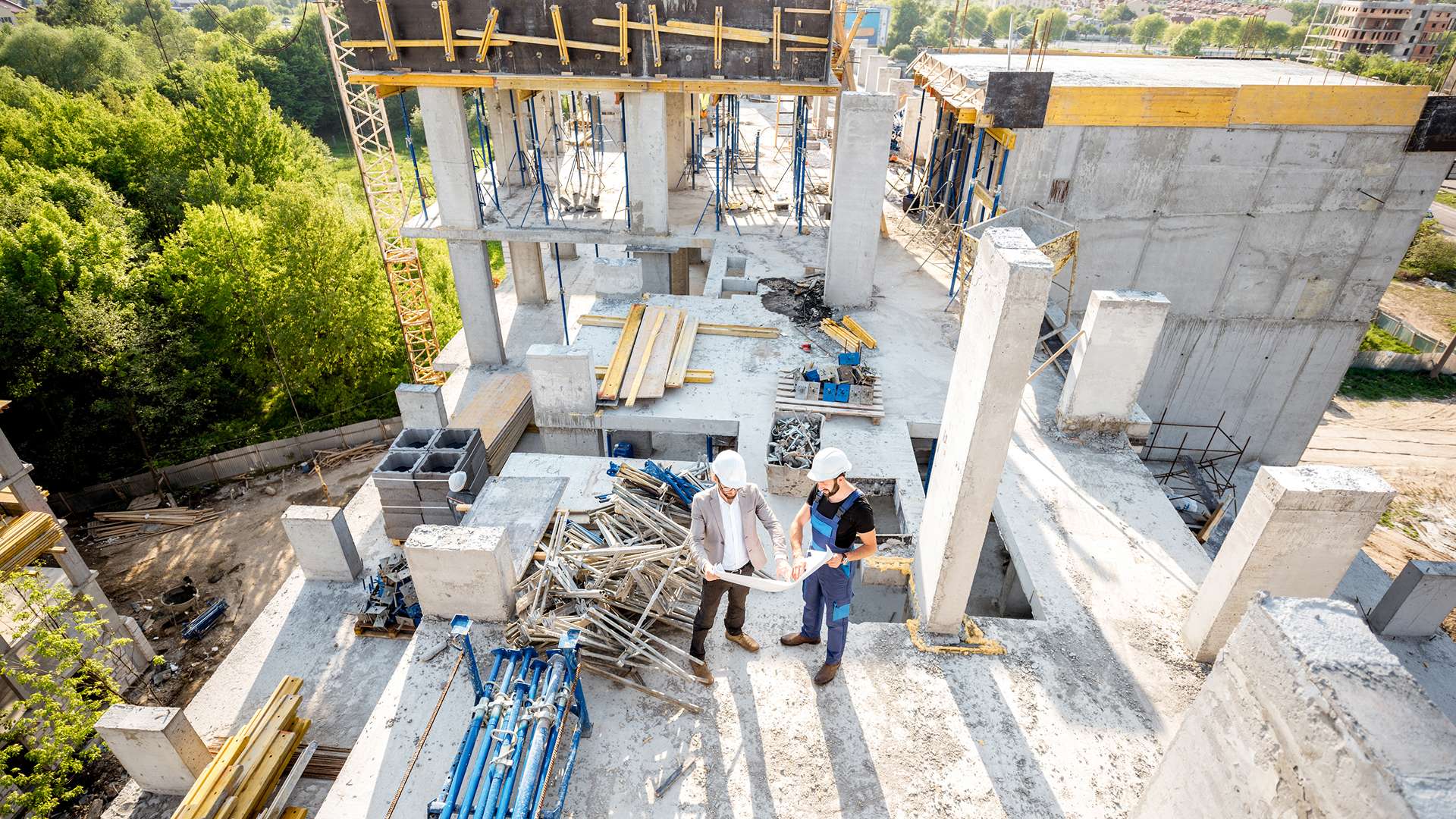


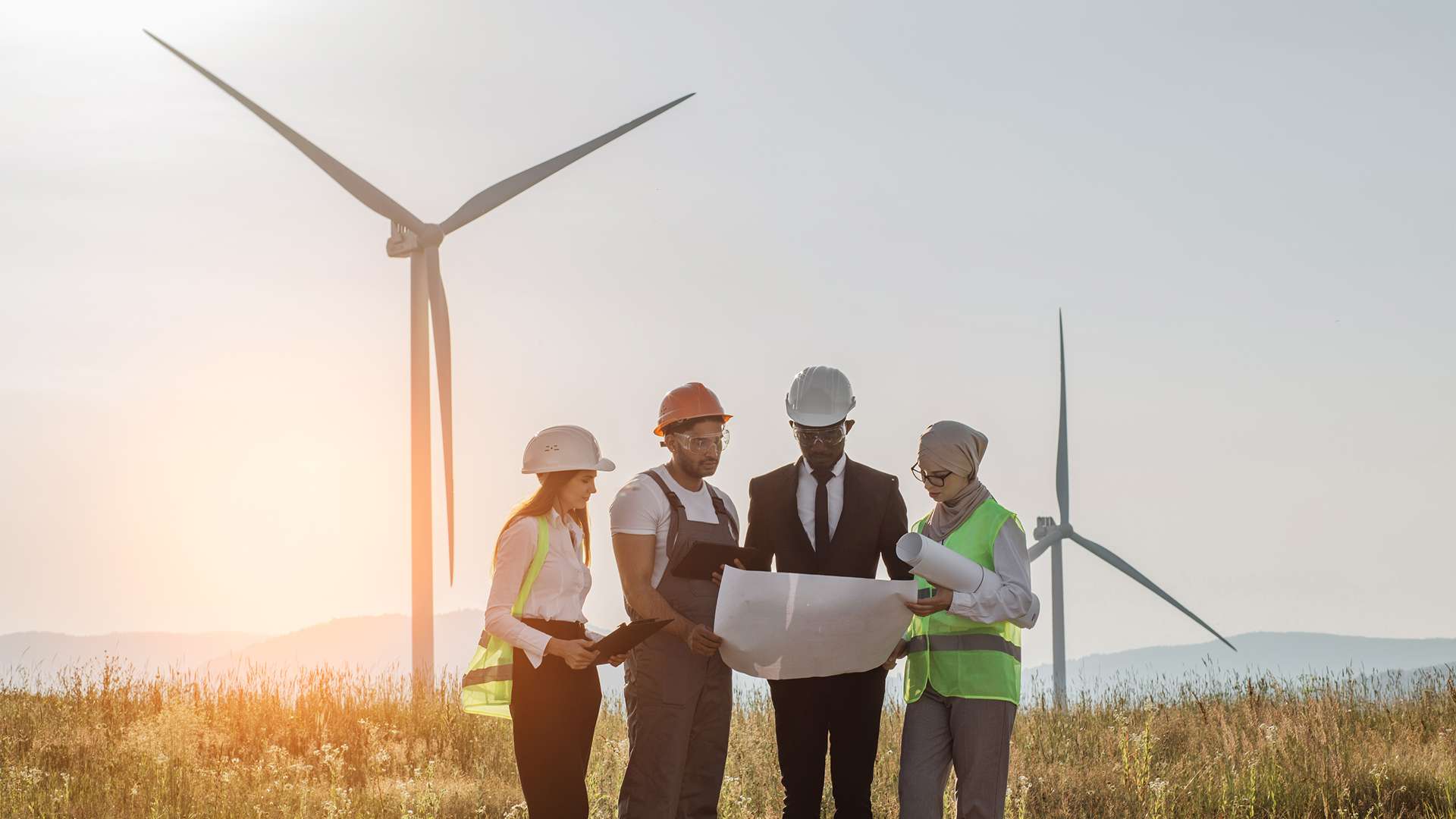
As the construction sector continues to evolve, one trend stands tall above the rest: Sustainability and the shift toward Net-Zero Energy Buildings (NZEBs). With the UK government committed to reaching net-zero carbon emissions by 2050, this isn’t just a buzzword — it’s a transformation in how we build, renovate, and power our spaces.
💡 What Are Net-Zero Energy Buildings?
A Net-Zero Energy Building generates as much renewable energy on-site as it consumes over the course of a year. This is achieved through a blend of high-efficiency design, smart energy systems, and integrated renewables like solar panels and battery storage.
NZEBs are no longer experimental — they’re becoming mainstream, supported by UK-wide grant schemes, tax incentives, and planning frameworks that prioritise sustainable development. With pressure mounting on developers and landlords to future-proof their assets, this shift is both a legal imperative and a business opportunity.
🧱 The Rise of Low-Carbon Materials
Traditional building materials are being replaced by greener, smarter alternatives. Among the most promising:
- Cross-Laminated Timber (CLT): Strong, durable, and carbon-sequestering, CLT is an eco-friendly choice for structural framing.
- Recycled Steel & Aluminium: These drastically reduce the embodied carbon compared to virgin metals.
- Aerogel Insulation: A cutting-edge, lightweight material with superior thermal performance.
- Low-Carbon Concrete: Innovations in cement replacement (like GGBS and fly ash) significantly cut emissions during production.
Builders and architects are increasingly choosing materials not just for durability and cost, but for their carbon footprint — a vital factor as embodied carbon becomes a key metric in sustainable construction.
🏘️ Green Retrofits: The Quiet Revolution
Not all sustainability work is about new builds. Across the UK, there’s a growing push for green retrofits — the sustainable refurbishment of older homes and commercial properties.
Key features of a green retrofit include:
- Improved insulation (wall, roof, and floor)
- Air source heat pumps or hydrogen-ready boilers
- Triple-glazed windows
- Smart energy controls and sensors
- Renewable energy installations (solar, wind, battery)
This movement is especially critical in the UK, where a large proportion of the housing stock is pre-1980 and poorly insulated. Retrofits improve energy efficiency, reduce utility bills, and cut carbon emissions — making them a win for landlords, tenants, and the planet.
🏗️ What This Means for Builders and Contractors
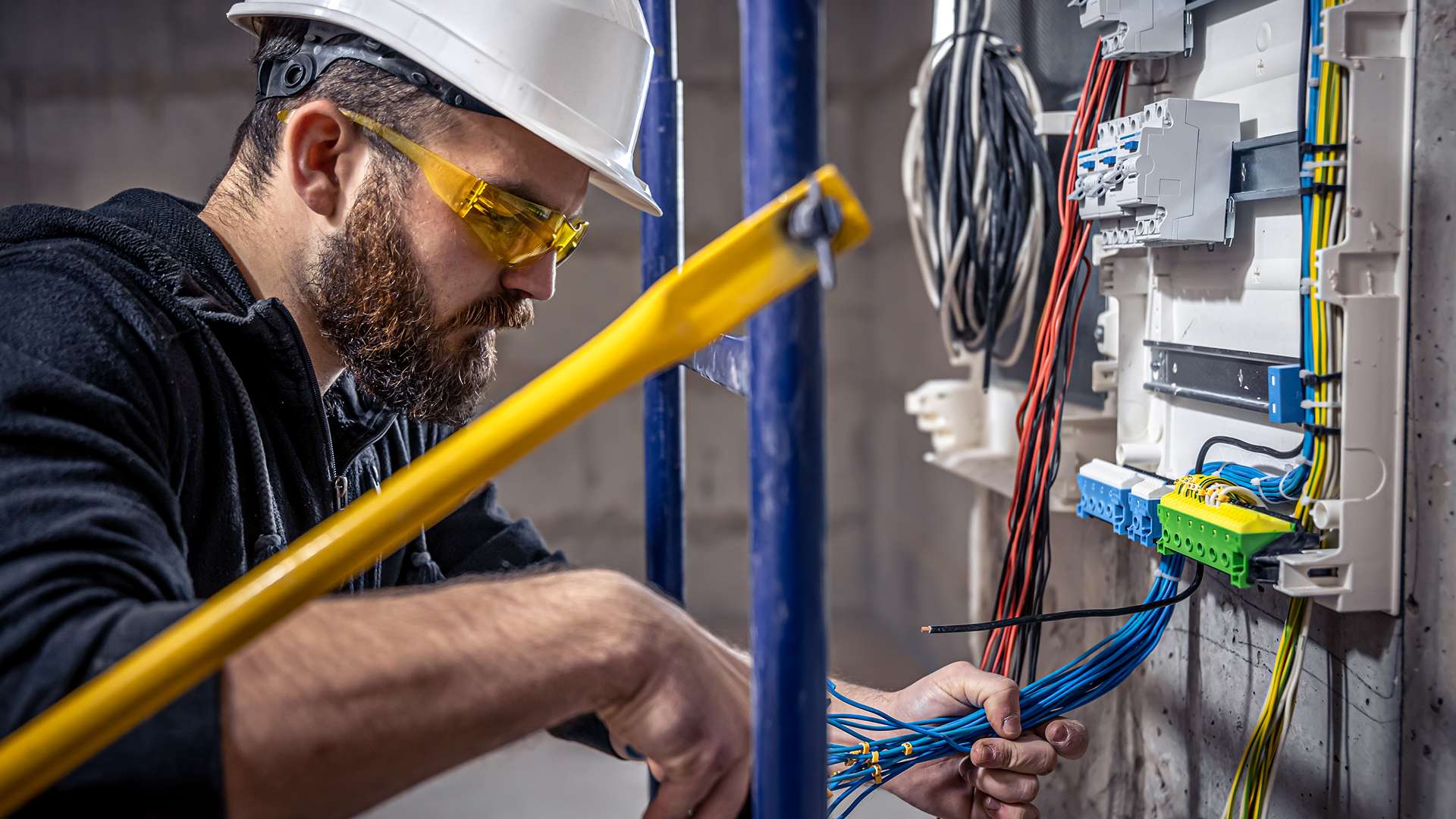
If you’re in the building trade, adapting to the net-zero shift is not optional — it’s essential. Clients are increasingly asking for sustainable solutions, and regulations are tightening. The skills and services in highest demand now include:
- Retrofit assessment and installation
- Renewable tech (solar, EV charging, heat pumps)
- Low-carbon material sourcing
- Passive design and airtightness
Investing in upskilling your team, forming green partnerships, and embracing modern methods of construction (MMC) like modular builds and digital twins will keep your business competitive and compliant.
✅ Final Thoughts
The move to Net-Zero is more than a government target — it’s the foundation for the next generation of healthy, affordable, and climate-resilient buildings. Whether you’re constructing new or upgrading old, the shift to sustainable practices is an investment in longevity, savings, and environmental responsibility.
Now is the time to lead — not follow — in the transition toward a net-zero future.
🔧 Need help making your properties net-zero ready?
We offer energy assessments, EPCs, retrofitting solutions, and smart energy installations tailored to your needs. Contact us today to learn how we can help.